FaceStealer: North Korean fake video calls and 900 stolen videos
FBI on FaceStealer: hijacked Telegram accounts, fake Zoom and Teams meetings replaying earlier victims’ videos, and terminal commands that install malware.
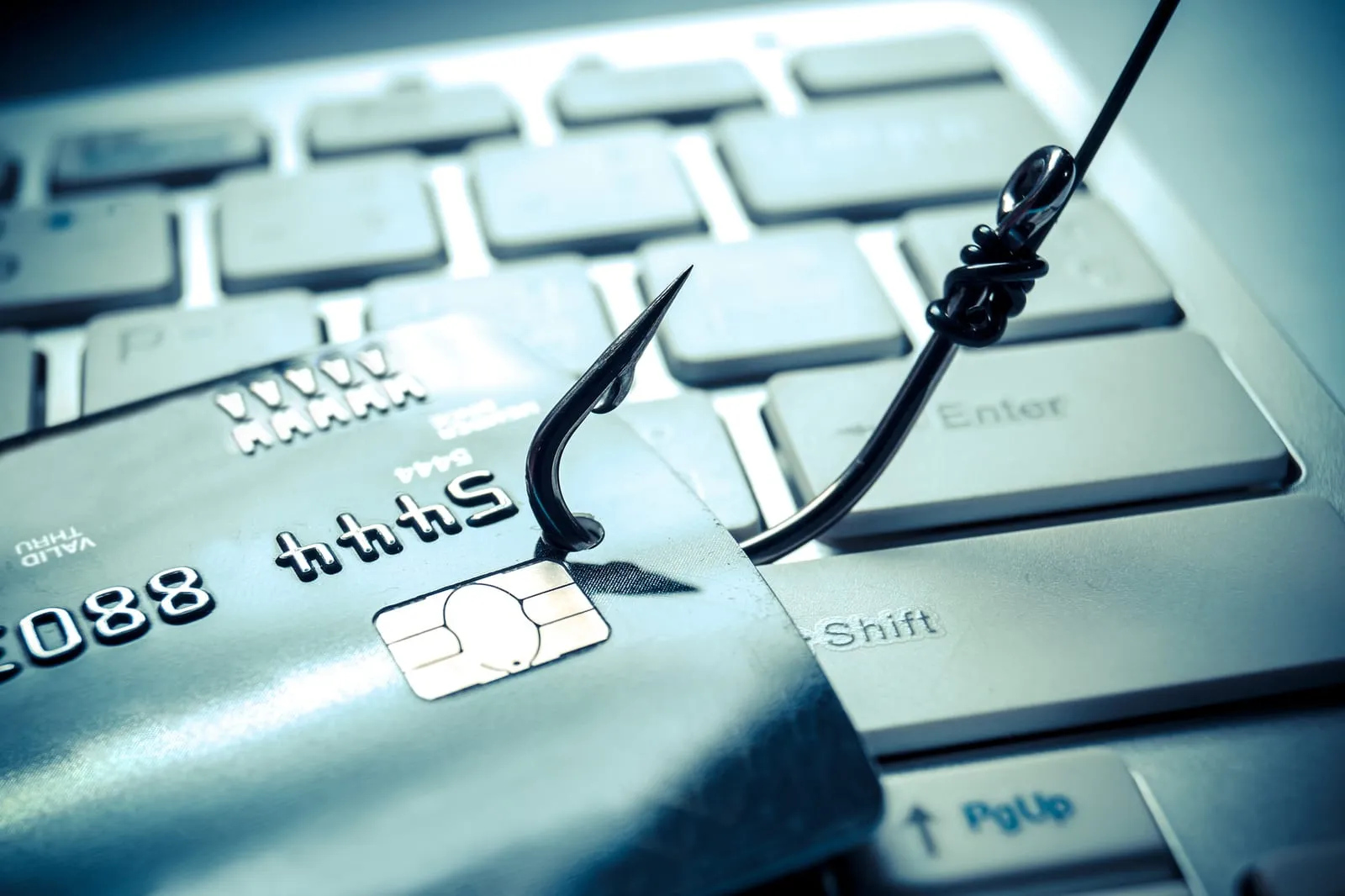
On 12 November 2026 the FBI published a FLASH advisory (AC-111226-MS, TLP:CLEAR) on a social engineering scheme it calls “FaceStealer”. The advisory is aimed at the cryptocurrency and web3 industry and at open-source software maintainers. This article is based on a single source, the FBI advisory: the facts and figures that follow are those reported by the FBI.
ARX News has already covered North Korean IT workers who get hired remotely under false identities. FaceStealer is something else: the goal is not to get hired, but to impersonate trusted people on video calls so that the victim installs malware.
What happened
According to the FBI, the scheme is run by North Korean state-sponsored hackers publicly known as Sapphire Sleet, UNC1069, Dangerous Password, CryptoCore, APT38, BlueNoroff and Stardust Chollima. Over the past 18 months they have reportedly stolen more than $400 million in cryptocurrency and attempted to compromise the open-source software supply chain.
The FBI has identified and seized more than 900 victim videos, secretly recorded from webcams and used to impersonate the victims in follow-on attacks. In several reported cases, the cryptocurrency theft and account hijacking happened months to over a year after the initial compromise: the attackers waited for wallet balances to grow.
How the attack chain works
The advisory describes six stages, repeated with every new victim:
- Victim A is already compromised: the attackers have scanned the device for wallets, seed phrases and other valuable access, taken over the Telegram account (or another encrypted messaging app) and locked the owner out, read contacts and chats, and recorded the victim while they waited for a video call to start.
- Messages to contacts from the hijacked account, with pretexts such as “catching up”, “discussing collaboration” or “investment opportunities”. With the chat histories at hand, messages to high-value contacts refer back to past conversations. The FBI also reports Telegram, LinkedIn, Slack and Discord accounts created or hijacked for the first contact.
- Scheduling through legitimate services such as Calendly, with no meeting link. Shortly before the meeting, Victim A’s account sends a link that looks like Zoom or Teams but leads to a typo-squatted domain. Examples cited by the FBI:
uu01webzoom[.]usandteams.livemeet[.]us. The server hosts a copy of Zoom or Teams designed to be indistinguishable from the real one. - Victim A’s video: once admitted from the lobby, the target sees Victim A’s recorded video and often additional videos, so it looks like a meeting with several participants.
- Self-infection: “Victim A” writes in the chat that there is an audio or technical problem. The target is guided to click an “update”, run a script or paste code into the terminal. This downloads malware that installs a browser cookie harvester, keyloggers, screen capturers and a backdoor. The target’s webcam is recorded from the first click on the link.
- Repeat: with the new victim’s video and device, the attackers steal cryptocurrency, exploit their access (an employer’s network, maintainer accounts) and start again with their contacts.
Deepfakes and supply-chain attacks
The FBI adds that the attackers have begun using what the advisory calls “super intelligence” (SI) to produce deepfakes of well-known people in the crypto and web3 world, from public photos and videos, to place in the fake meetings. However, the FBI notes, the scheme still relies overwhelmingly on videos stolen from victims.
The second warning concerns open-source developers and maintainers. Earlier this year, according to the advisory, the maintainer of a significant JavaScript library, downloaded tens of millions of times a week, was lured into a fake Teams meeting with several participants, including at least one person they recognised. After following the “corrective” instructions, their computer was infected and the attackers used their access to create malicious dependencies downloaded along with the library. The FBI does not name the library and says only quick detection and response prevented large-scale damage. Other attempts targeted npm package maintainers and, recently, Rust crate maintainers.
Impact for European and Italian organisations
The advisory is from the United States and mentions no cases in Europe or Italy. The tools involved, however, are everyday ones: Zoom, Teams, Telegram, LinkedIn, Slack, Calendly. Anyone holding cryptocurrency, privileged access or software package publishing accounts is a potential target, and a single compromised personal device can open the way to the corporate network. For NIS2 entities the case touches two areas of the risk management measures: supply chain security (open-source dependencies) and staff training against social engineering.
What to do now
The FBI’s recommendations:
- Join meetings with the official Zoom or Teams app and the meeting code, not by clicking links to web versions, especially with new or infrequent contacts.
- Turn on your webcam only after you can see, hear and talk to the person who invited you.
- Never run scripts or paste code into the terminal to “update” a video call client: update the application separately.
- Check Calendly and similar invites: an invite with no link, followed by a link sent at the last minute, is one of the patterns described.
- Confirm the meeting through another channel (a text or a phone call, if the contact came via Telegram).
- Secure Telegram, WhatsApp, Slack and other apps with multi-factor authentication, login alerts and expiring messages.
- Keep only small amounts in browser extension wallets, the rest on a separate physical device or with an exchange; no seed phrases or private keys on your devices.
If you suspect a compromise, the FBI advises creating a new wallet with new seed phrases on a device not used to communicate with the attackers and moving the funds there, changing all passwords, logging out all active sessions, adding multi-factor authentication including on developer accounts, and informing contacts and your employer. The advisory points to reports by Arctic Wolf, JUMPSEC and Microsoft Threat Intelligence for full lists of indicators of compromise.

How ARXDOME helps
With ARX Horizon you can search the portal for the indicators of compromise published in the reports cited by the FBI and check the reputation of suspicious addresses. ARX Sentry’s software and process inventory helps find unexpected programs on company machines, ARX Trace runs collections and searches across multiple machines, and with ARX Shield you can isolate a suspicious computer from the network while you investigate.
Last updated: