Vanderbilt University: BYOD ransomware takes systems offline
BYOD claims the Vanderbilt attack: devices shut down, access restricted, over a million SSNs allegedly stolen. Facts, open questions and what to do now.
On Monday 9 November 2026 Vanderbilt University in Nashville, Tennessee, which has about 14,000 students and more than 6,000 staff according to The Record, announced it was dealing with an active cybersecurity incident that could affect university devices, systems and cloud services. The same day the BYOD group added the university to its leak site, claiming it had encrypted databases and stolen student, employee and research data. The university has confirmed neither the perpetrator nor the nature of the attack. The facts are reported by BleepingComputer, The Record, Infosecurity Magazine, CyberScoop, The Register and DataBreaches.net.
Timeline
- Morning of 9 November (notice at 10:45 local time, according to Infosecurity Magazine): the university asks the whole community to shut down university devices, disconnect from campus Wi-Fi and, if they notice suspicious activity, power off immediately and call the service desk rather than investigate themselves. According to the student newspaper The Vanderbilt Hustler, cited by Infosecurity Magazine, IT staff went into classrooms to warn that university computers were not safe to use.
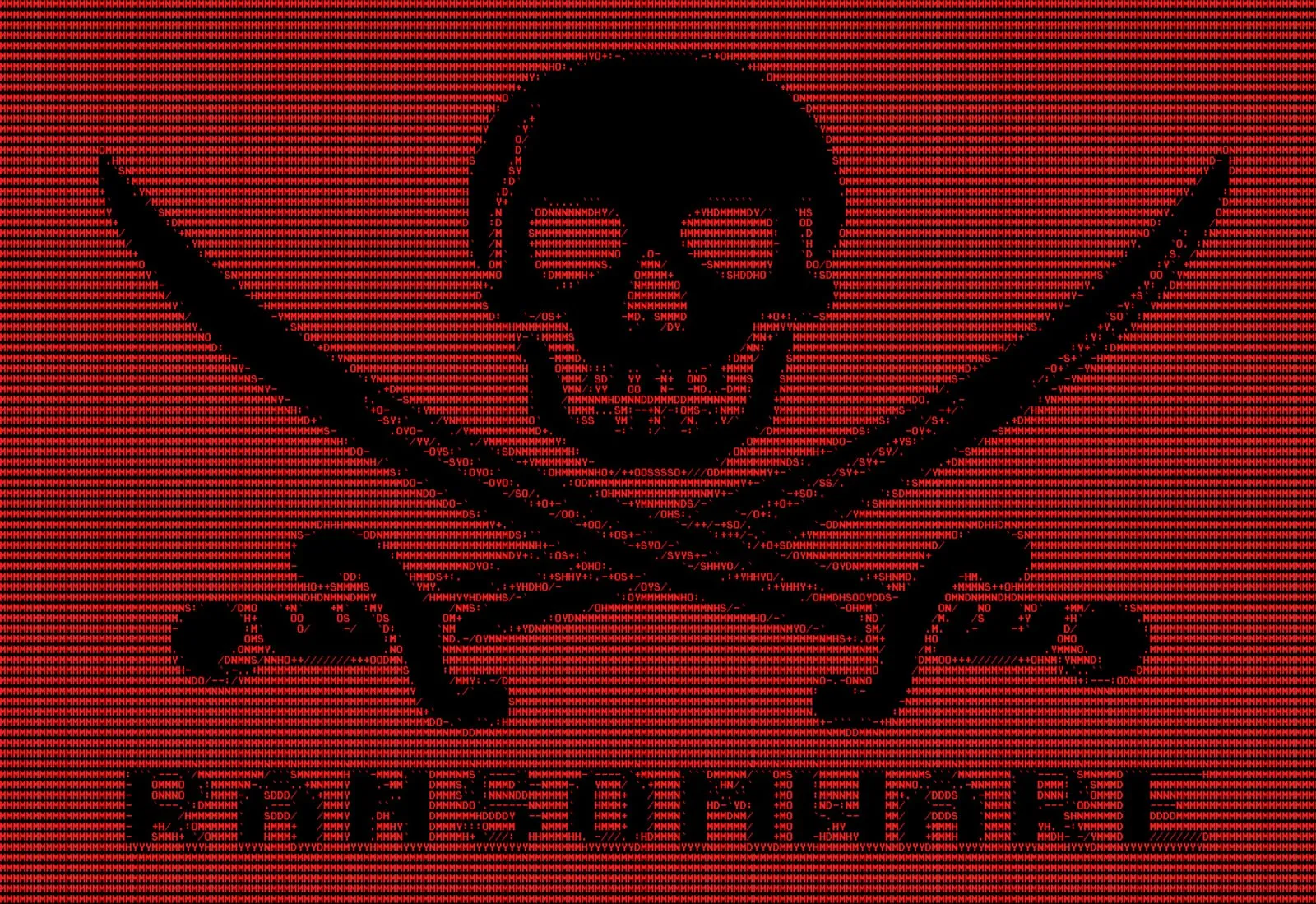
- During the day: campus computers start playing an audio message announcing a compromise by BYOD and urging contact with the group. BleepingComputer and CyberScoop cite a video posted on YouTube; The Register quotes the text from posts collected by the Hustler.
- Evening, 19:15 local time: Wi-Fi is back and classes on 10 November are confirmed, but access to most systems remains restricted. IT is working “with government agencies and other partners”.
- 10 November: according to CyberScoop, the university declares Wi-Fi, Okta, Outlook, Brightspace, Zoom and the YES student portal safe to use again and allows devices to be switched back on; other services, such as CampusPrint printing, remain restricted. The Register also reports that the athletics ticketing system was unavailable.
What BYOD claims
On its leak site the group says it has locked the databases and holds the entire estate and research data: more than one million Social Security numbers (SSNs), names, emails, phone numbers, student and employee records, and full control of the domain controller. These claims appear in BleepingComputer, Infosecurity Magazine and The Register, but have not been confirmed by the university.
Only BleepingComputer reports receiving a photo of a screen showing university icons and a ransom note named README_BYOD_31.txt, with a link to the leak site (verified by the outlet) and a contact on the Session encrypted messenger. In the note the group claims to have the backups too.
BYOD is a recent group: according to ransomware expert Allan Liska, quoted by The Record, its first victim dates back to 29 September 2026. It claimed the late-October attack on the University of New Mexico Health Sciences Center, already covered by ARX News, and according to The Record an incident at Michigan State University. The Record and The Register also attribute to it the theft of Trump Mobile customer data; The Register further reports an unconfirmed claim against Texas Health and Human Services, also on 9 November.
Technical details
The sources do not give the initial access vector, exploited CVEs or indicators of compromise, apart from the ransom note’s file name. Some elements are still useful for defenders:
- Voice message on workstations: the same behaviour had been reported at UNM. Audio played on many machines points to large-scale code execution on endpoints, but the sources do not explain how it was distributed.
- Signs listed by the university: unexpected pop-ups and security warnings; changes to files, folders or permissions in OneDrive, Box and other cloud storage; files moved, deleted or renamed; unfamiliar applications; unexpected requests for passwords or to approve authentication. The list covers both data encrypted for impact (MITRE ATT&CK T1486) and abuse of identities and cloud services, such as bursts of MFA requests (T1621).
- Domain control (claimed): whoever controls a domain controller can create accounts, push code and read the credentials of the whole Active Directory environment.
- Exfiltration for extortion (T1041, T1567): claimed, not verified.
Impact for European and Italian organisations
Universities and research institutions combine personal data on many people, intellectual property and networks with thousands of heterogeneous devices. Research organisations are among the sectors covered by NIS2 (in Italy, Legislative Decree 138/2024): a significant incident requires an early warning to CSIRT Italia within 24 hours and a notification within 72. With student and staff data involved, Articles 33 and 34 of the GDPR also apply.
The case also shows the weight of communication: according to CyberScoop, student representatives complained about unclear updates, and the university acknowledged that containment had disrupted its usual channels.
What to do now
- Prepare a mass shutdown or isolation order: who issues it, which channels work without the corporate network (SMS, emergency page, social media) and ready-made messages.
- Protect domain controllers: tiered admin accounts, alerts on new members of privileged groups (events 4728, 4732, 4756), on anomalous directory replication (DCSync) and on GPO changes (5136).
- Monitor cloud storage: alerts on mass permission and sharing changes and on bulk renames or deletions in OneDrive, SharePoint or Box.
- Reduce MFA fatigue: number matching, phishing-resistant methods for administrators, alerts on bursts of denied requests.
- Offline, immutable backups, outside the domain, with restore tests.
- After an incident involving domain control: reset all privileged credentials (KRBTGT twice), revoke identity provider sessions and tokens, review registered applications.
- Hunt for
README_BYOD_*.txtfiles on shares and endpoints (single-source indicator). - Warn the people affected about the targeted phishing that usually follows a data theft claim.

How ARXDOME helps
ARX Sentry collects logs and events from computers, servers and firewalls and, in the SOC pages dedicated to identities, shows bursts of attempts, privileged access, night-time logins and account changes. With ARX Shield a suspicious machine can be isolated from the network with one click, and a message can be shown to the person at the screen: a targeted alternative to shutting down every device. ARX Retain keeps logs on European storage for investigations and notifications to the authorities.
Last updated: